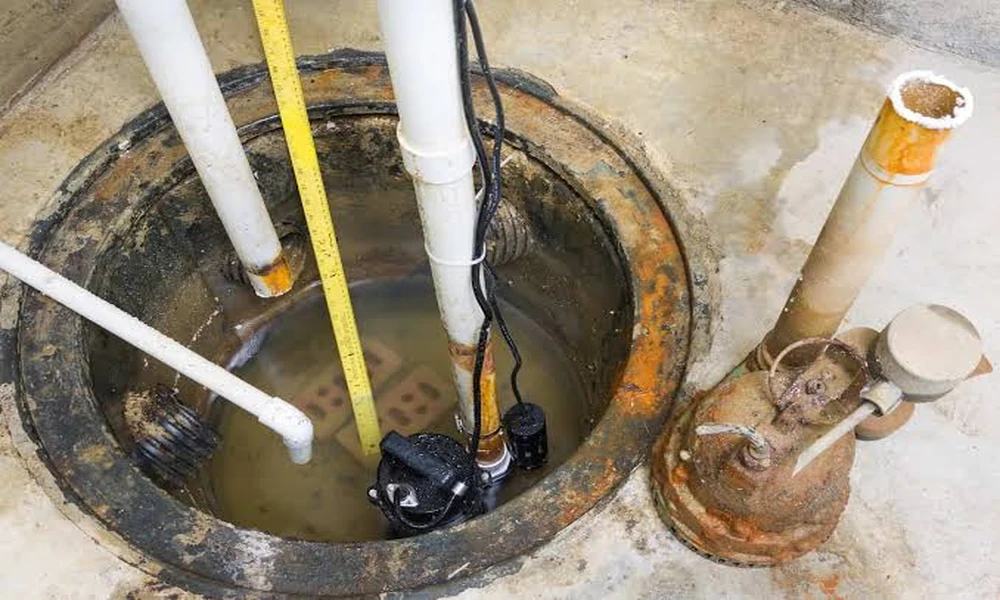

Most people only think about a sump pump in two moments. One is the day it gets installed. The other is the night it stops working. Everything in between happens out of sight, in a pit in the corner of the basement and a pipe that disappears through the wall.
That hidden stretch is where good and bad installations separate. A pump can be the right size and still fail a family if the pit is too small, the check valve is missing, or the discharge runs somewhere the town will eventually make you dig up.
The clearest way to understand the whole system is to follow a single gallon of groundwater from the moment it reaches the foundation to the moment it leaves the property. Each stop along that route is a decision someone made, or forgot to make.
Homeowners weighing sump pump instalation in Westchester County Ny can start with a free inspection from All Dry Basement Systems, which works across the county from its base in Danbury. With more than 15 years in basement waterproofing, the licensed and insured crew installs pumps alongside the parts that feed and empty them, from interior and exterior French drains to dry wells and gutter extensions, so the route is planned from one end to the other.
Where the Journey Begins Underground
Our gallon starts as rain or snowmelt soaking into the soil around the house. In much of Westchester, that soil is dense and slow to drain, so water collects against the foundation and finds its way toward the lowest point it can reach.
A sump pump only helps if water can actually get to it. In many basements that means a perimeter drain, a perforated pipe set in gravel along the inside or outside of the footing, sloped gently toward the pit. Without one, a pump sits in its corner and catches only the water that happens to rise right beneath it, while the far walls keep leaking. This is the most common reason people say their new pump “doesn’t do anything.”
The Pit Sets the Rhythm
Once the gallon reaches the sump basin, the size of that basin starts to matter more than most people expect. A shallow or narrow pit fills quickly, which forces the pump to switch on and off in short bursts. That rapid cycling wears out the motor and the switch long before their time.
A sealed basin with a lid does several jobs at once. It keeps debris and toys out, cuts down on basement humidity, and limits soil gases such as radon from escaping into the living space. A solid base of gravel under the liner also keeps silt from clogging the pump intake over the years.
Choosing the Muscle
The pump itself is the part everyone shops for, and there are a few choices that genuinely change performance.
- Submersible versus pedestal. Submersible pumps sit underwater inside the pit and run quieter, while pedestal pumps keep the motor above the water. Submersibles are the usual choice for finished basements.
- Housing material. Cast iron pulls heat away from the motor and tends to outlast plastic housings under heavy use.
- Switch type. Vertical and electronic switches are less likely to snag on the pit wall than older tethered floats, which are a frequent cause of pumps that never turn on.
- Capacity. Horsepower alone tells you little. The useful number is how many gallons per hour the pump moves at the actual height and distance it has to push water in your home.
The Small Valve That Prevents a Second Trip
When the pump shuts off, the water still sitting in the vertical pipe wants to fall back down. A check valve stops it. Without one, that water drops straight into the pit and gets pumped out again, over and over, adding thousands of needless cycles a year.
Installers also drill a tiny weep hole in the pipe between the pump and the valve. It lets trapped air escape so the pump does not spin without moving water, a problem known as air lock that can burn out a motor quietly.
Leaving the House Without Freezing
Our gallon now travels up and out through the rim joist or foundation wall. In a Westchester winter, the exterior section of that line can freeze solid, and a frozen line turns a working pump into a useless one. Good installs slope the outside pipe so it drains completely between cycles and add an overflow fitting that lets water escape near the house if the main line ices over.
The Exit Has Rules
Here is where many older installations quietly break local law. For decades it was common to tie sump pumps into the house sewer line because it was easy. Westchester County has spent years pressuring municipalities to stop that, since clean groundwater pouring into sanitary sewers overloads treatment plants during storms. Under agreements with the county, communities in the sewer districts committed to adopting local laws prohibiting sump pump connections to sanitary sewers, and some towns check for illegal connections when a house changes hands.
That leaves a few acceptable endings for our gallon.
- Discharge to the yard at a point that slopes away from the house and away from neighbors
- A dry well that lets water soak back into the ground well clear of the foundation
- A storm sewer connection, only where the municipality allows and permits it
Dumping water onto a neighbor’s lot or a public sidewalk where it freezes is its own source of disputes, so placement deserves as much thought as the pump.
When the Lights Go Out
The storms most likely to flood a basement are often the same ones that knock out power, which is exactly what many Westchester homeowners experienced during the remnants of Ida in 2021. A primary pump without power is just a weight at the bottom of a pit.
Battery backup pumps take over automatically and can run for hours depending on the battery and how often they cycle. Water-powered backups use household water pressure instead of electricity, but they need municipal water, which rules them out for homes on private wells in the northern part of the county. A portable generator with a dedicated outlet near the pump is another layer some families add.
A quick test every few months, done by pouring a bucket of water into the pit and watching the cycle start and stop, keeps the whole route honest. The gallon should arrive, leave, and never come back.